Home About Services Our Works Reviews Blog Contact

From Our Studio

Design Insights
& Renovation Guides

Practical advice, material knowledge, and design thinking — from the team behind some of Singapore's most considered interiors.

Which Tiles Are Rightfor Your Singapore Home?
Which Tiles Are Rightfor Your Singapore Home?Which Tiles Are Rightfor Your Singapore Home?

Which Tiles Are Right
for Your Singapore Home?

Few material decisions affect your home more than your choice of tiles. Get it right and your space feels cohesive, luxurious, and easy to maintain for decades. Get it wrong and you're looking at costly replacement, grout that stains, or floors that feel cold underfoot the moment you step out of bed. Here's what Singapore homeowners need to know.

Porcelain Tiles — The Workhorse

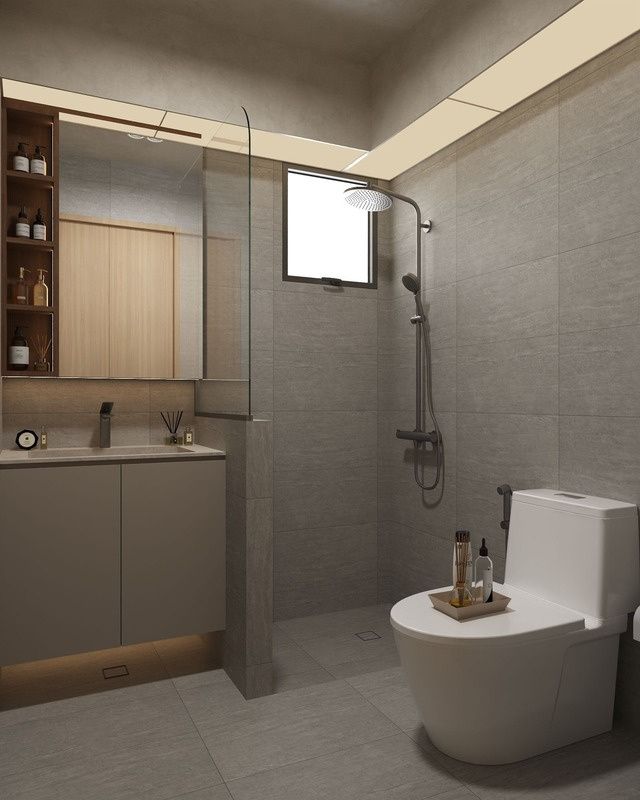
For most Singapore HDB and condo renovations, large-format porcelain tiles remain the gold standard. They're dense, non-porous, resistant to our high humidity, and now available in finishes that convincingly replicate marble, stone, concrete, and even timber. Sizes from 60×60cm up to 120×240cm are increasingly popular — larger tiles mean fewer grout lines, which reads as cleaner and more spacious in tight Singapore floor plans.

  • Best for: living rooms, bathrooms, kitchens
  • Avoid: textured outdoor finishes indoors — they trap dust and are hard to mop
  • Pro tip: rectified edges allow grout joints as thin as 1.5mm for a near-seamless look

Natural Marble — The Luxury Choice

Nothing replicates the depth and variation of natural marble. It's a living material — each slab is unique, and the veining catches light in ways that engineered stone simply cannot. That said, marble is porous, requires sealing every 1–2 years in Singapore's humid climate, and will stain if acidic liquids (coffee, citrus, wine) are left to sit. We recommend it for feature walls, bathroom vanities, and island countertops — high-visibility, lower-traffic surfaces where its beauty is showcased without the maintenance burden.

  • Best for: feature walls, bathroom vanities, kitchen islands
  • Avoid: kitchen floor tiles (oil splatter + porous surface = permanent stains)
  • Pro tip: book-matched slabs from the same quarry batch for a seamless, mirrored effect

Terrazzo — The Comeback Kid

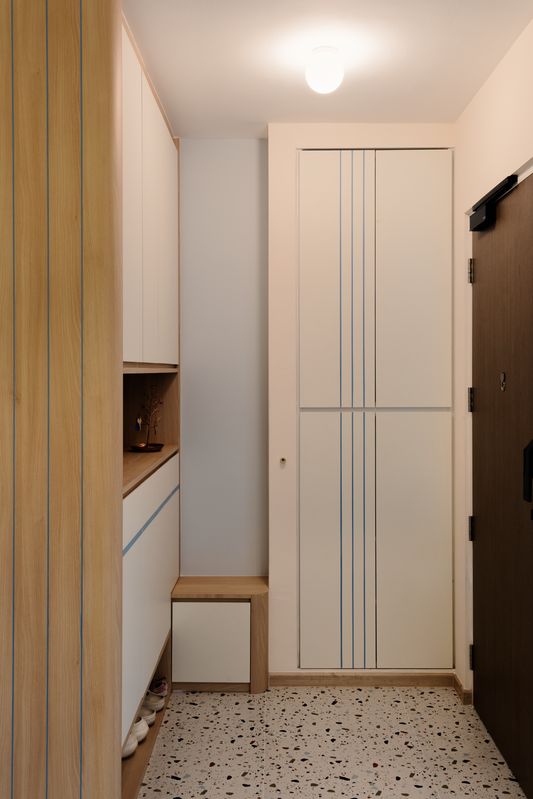
Terrazzo has made a quiet comeback in Singapore interiors, and for good reason. Originally a material of necessity — Venetian workers embedding marble offcuts in cement — it's now available in poured-in-place and pre-cast tile formats. It's durable, relatively low-maintenance once sealed, and offers a warmth and character that cold-process tiles can't match. Ideal for those who want a home that feels genuinely different.

Subway & Zellige Tiles — For Textured Walls

For kitchen backsplashes and feature bathroom walls, handmade zellige or subway tiles introduce texture and handcraft into a space. Their slightly irregular surfaces catch light differently throughout the day, creating walls that feel alive. Pair with simple joinery and restrained colour palettes so the tile does the work.

The Bottom Line

There's no single "best" tile — only the right tile for the right surface and the right lifestyle. At AN:Vision Space, we help clients navigate thousands of options to find the combination that works beautifully and stands up to how they actually live. Book a free consultation and bring your mood board.
https://anvisionspace.com.sg/contact

How to Run Aircon Trunking Efficiently — and Invisibly
How to Run Aircon Trunking Efficiently — and InvisiblyHow to Run Aircon Trunking Efficiently — and Invisibly

How to Run Aircon Trunking Efficiently — and Invisibly

Aircon trunking is one of those renovation topics nobody wants to talk about — until they're living with an ugly white PVC box running across the ceiling of their otherwise beautiful home. In Singapore's climate, air-conditioning isn't optional. But how you route and conceal your trunking is entirely within your control, and it makes an enormous difference to the finished look of your space.

Plan Your Trunking Route Before Everything Else

The single biggest mistake homeowners make is treating aircon trunking as an afterthought — something to figure out after the main design is done. Trunking must be planned at the very beginning, coordinated with your false ceiling design, carpentry layout, and lighting plan. The best time to discuss routing is during your first design consultation, not after your ceiling has been plastered.

  • Map all aircon indoor unit positions before finalising ceiling heights
  • Confirm with your aircon contractor the minimum bending radius for refrigerant pipes
  • Route pipes through the most direct path to the outdoor condenser to minimise bends

Concealment Options: False Ceilings vs Surface Trunking

The cleanest solution is a false ceiling with fully concealed pipes. The trunking is routed inside a plasterboard or calcium silicate ceiling void, completely invisible from below. This adds cost (false ceilings typically run $18–35 per sq ft in Singapore depending on complexity) but transforms the look of your space.

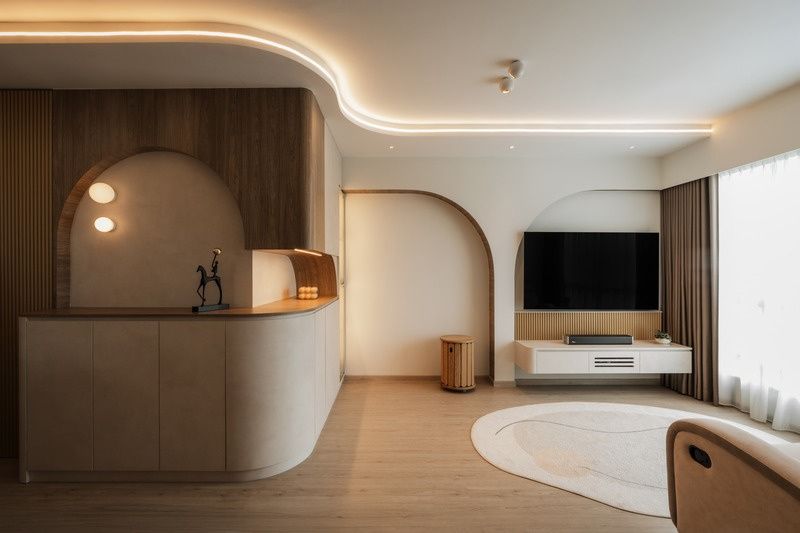
If a full false ceiling isn't in your budget, consider partial concealment — routing trunking within a slim L-shaped cornice or perimeter feature that frames the ceiling without lowering the entire room height. This is particularly effective in lower-ceiling HDB units where a full false ceiling would feel oppressive.

Surface trunking with painted PVC channels is the most affordable option, but requires careful alignment and painting to blend in. Wherever possible, run surface trunking in corners and along wall-ceiling junctions rather than across open ceiling spans.

Multi-Split vs Cassette Units

Ceiling cassette units eliminate trunking visibility almost entirely — the unit sits flush in the ceiling, blowing air in four directions, with only refrigerant pipes routed through the ceiling void. They're increasingly popular in Singapore condos and landed homes where ceiling height allows. The trade-off is higher installation cost and the need for a drop ceiling of at least 250mm.

For most HDB flats, wall-mounted split units remain the practical choice. Pair them with a well-planned false ceiling that absorbs the trunking into a deliberate design feature — recessed lighting channels, cove lighting, or ceiling beams.

Maintenance Access — Don't Forget It

Always ensure your contractor installs access panels above concealed trunking and at FCU locations. A beautiful ceiling that requires demolition every time the aircon needs servicing is a false economy. Access panels can be designed to blend seamlessly into the ceiling finish.

https://anvisionspace.com.sg/contact

Why Limewash Is the Most Beautiful Wall Finish You're Not Using
Why Limewash Is the Most Beautiful Wall Finish You're Not UsingWhy Limewash Is the Most Beautiful Wall Finish You're Not Using

Why Limewash Is the Most Beautiful Wall Finish You're Not Using

If you've scrolled through interior design content recently, you've almost certainly encountered limewash walls — that soft, slightly mottled, deeply textural finish that makes a room feel like it has genuine history and warmth. It's trending globally, and it's starting to appear in Singapore's most considered residential interiors. Here's why we love it, and why it might be right for your home.

What Exactly Is Limewash?

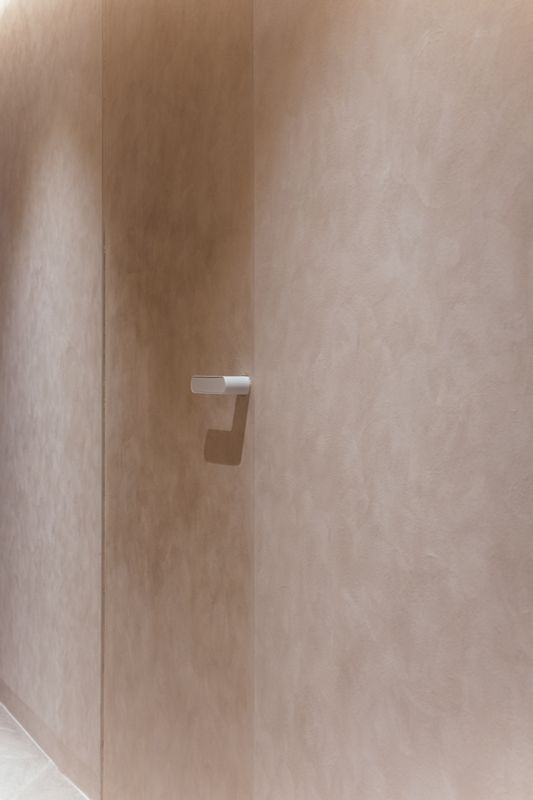
Limewash is a finish made from slaked lime (calcium hydroxide) mixed with water and natural pigments. It's one of the oldest wall finishes in the world — used in Mediterranean villas, Moroccan riads, and Japanese mud-plastered interiors for centuries. Applied in multiple thin layers with broad brushes, it creates a depth and translucency that ordinary emulsion paint simply cannot achieve. Each layer is slightly different, and the finish breathes — literally — because lime is a naturally porous, alkaline material.

Why Limewash Works So Well in Singapore Homes

Beyond aesthetics, limewash has practical advantages that make it particularly well-suited to Singapore's tropical climate:

  • Breathability — lime is vapour-permeable, which means moisture can move through the wall rather than becoming trapped and fostering mould growth. In Singapore's humidity, this matters.
  • Natural antimicrobial properties — lime's high pH makes it naturally resistant to mould, bacteria, and fungi. It was historically used to disinfect walls for exactly this reason.
  • Eco-friendly — limewash contains no VOCs (volatile organic compounds), making it safer for families with children or sensitivities, and better for indoor air quality.
  • Self-healing — hairline cracks in limewash re-carbonate and repair themselves over time, unlike conventional paint which peels and chips.

How to Use Limewash in Your Interior

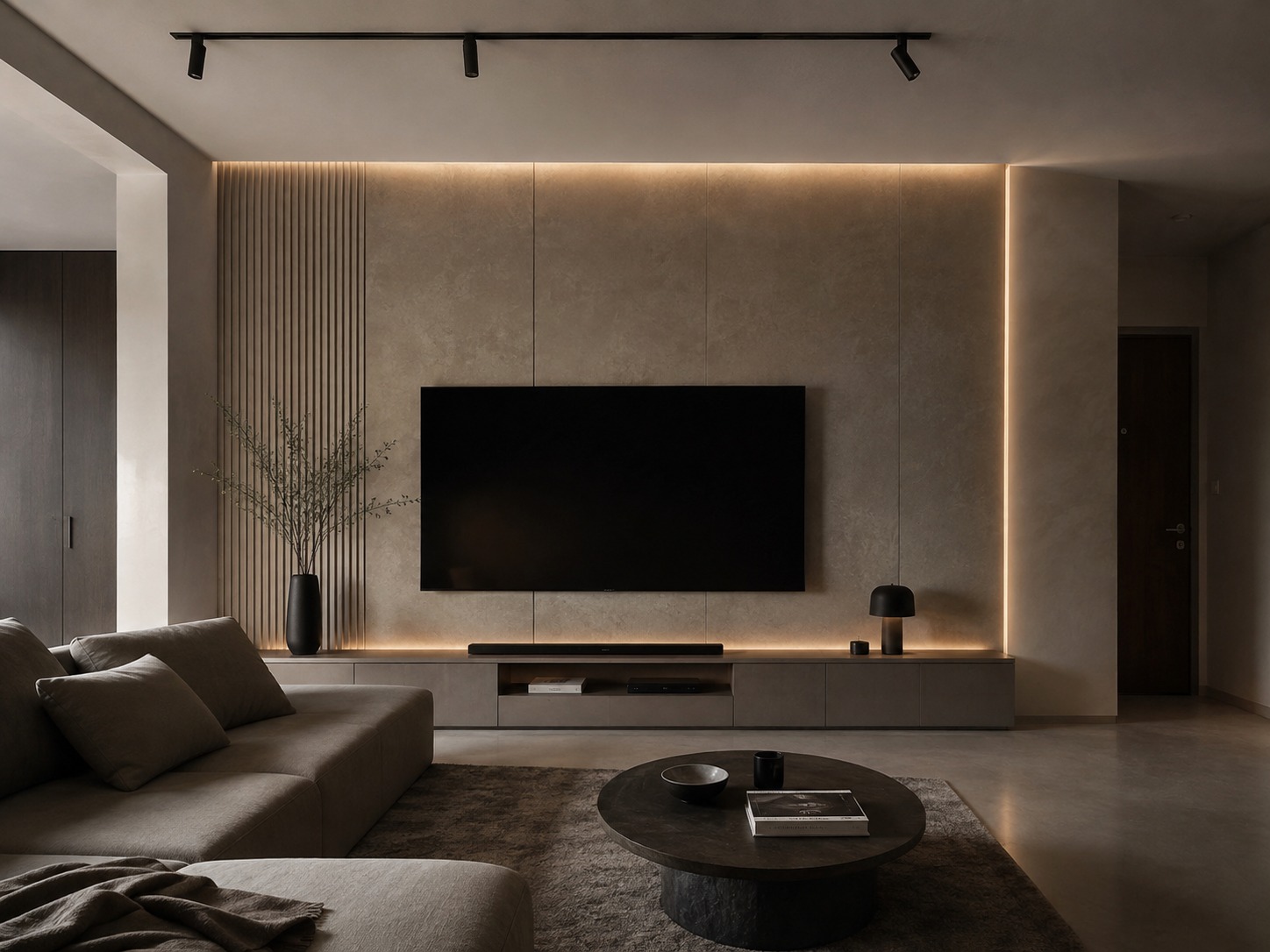
Limewash is most powerful used on a single feature wall — the wall behind a bed headboard, the TV feature wall in a living room, or the wall facing the entry point of a space. Its texture and colour depth create an immediate focal point without overwhelming the room.

Pair limewash with natural materials — timber, rattan, linen, raw plaster, and ceramic — and with a restrained colour palette. The finish itself carries so much visual interest that the rest of the room can afford to be quiet. Avoid pairing limewash with high-gloss finishes or very saturated colours, which will fight with its inherent softness.

Colour choice matters enormously. The most universally flattering limewash tones for Singapore homes are warm whites, soft terracottas, sage greens, and putty greys — colours that shift warmly in artificial light and cool elegantly in morning sun. We work with clients to select and sample multiple tones before committing, because limewash looks significantly different wet versus dry, and in different lighting conditions.

Is Limewash High-Maintenance?

Limewash is relatively low-maintenance once applied. It is slightly less scrubbable than conventional paint, so we don't recommend it for high-contact surfaces like kitchen walls or behind children's beds. For living room feature walls and bedroom backdrops, however, it's perfectly durable. Touch-ups are easy and seamless — unlike paint, limewash patch repairs blend naturally into the existing surface.

If you're considering limewash for your renovation, talk to us early. The substrate preparation is important — limewash adheres best to properly prepared plaster, and the application technique affects the final character of the finish significantly.

https://anvisionspace.com.sg/contact

5 Renovation Regrets HDB Owners Tell Us (And How to Avoid Them)

5 Renovation Regrets
HDB Owners Tell Us (And How to Avoid Them)

1. Chasing a Trend That Aged Overnight

The most common regret we hear isn't about cost, it's about a design that felt fresh at handover and dated within two years. Marble-look everything, all-grey palettes, feature walls that scream a specific season. Trends move fast; a renovation should outlast them.

How to avoid it: Anchor your home in materials and forms that age gracefully, natural timber, lime-plastered walls, honest textures. Layer trends through things that are cheap to swap: cushions, art, smaller decor. Let the bones stay timeless.

2. Underestimating Storage

Nearly every homeowner tells us the same thing after moving in: "I wish we'd built more storage." Open shelving looks beautiful in photos, but real life comes with clutter that needs a home.

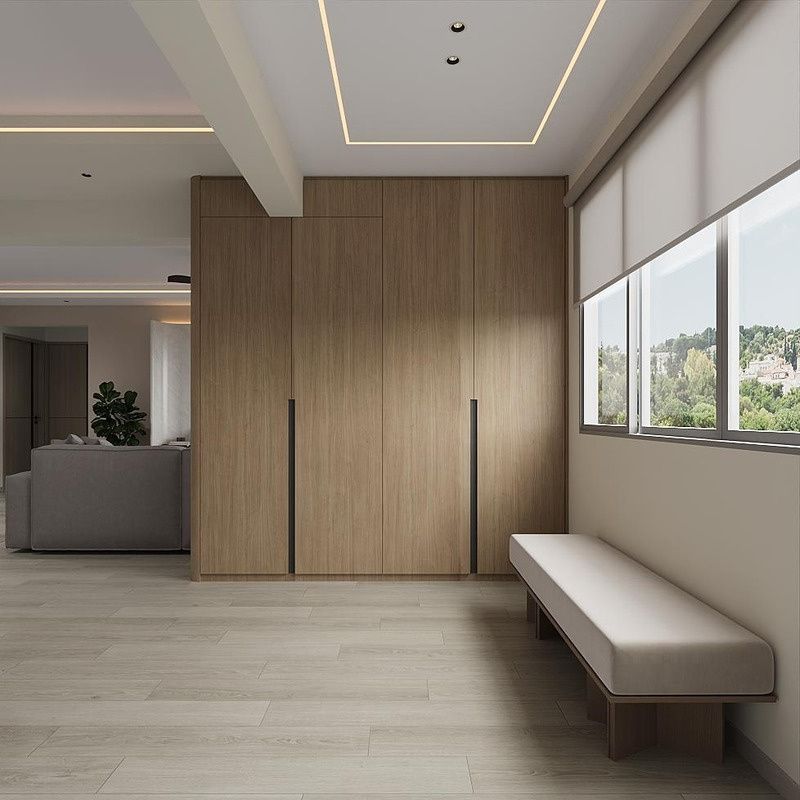
How to avoid it: Plan storage around how you actually live, not how you want the space to photograph. Full-height carpentry, concealed cabinetry, and dead-space solutions (under stairs, above doorways, bomb shelter organisation) pay off every single day.

3. Treating Lighting as an Afterthought

A stunning renovation lit by a single harsh ceiling light falls flat, literally. Poor lighting layout is one of the most frequent regrets, and one of the hardest to fix after the fact.

How to avoid it: Design lighting in layers, ambient, task, and accent. Warm colour temperatures, dimmable circuits, and lights placed to wash walls rather than glare down make a space feel considered. Decide this before the ceiling goes up, not after.

4. Choosing Finishes That Don't Age Well

Some finishes look pristine on day one and tired within months, high-gloss surfaces that show every fingerprint, cheap laminates that peel at the edges, grout that stains and never recovers.

How to avoid it: Choose materials that develop character rather than wear badly. Matte and textured finishes hide daily life gracefully. Where you can, invest in surfaces that patina, timber, stone, mineral paint, so your home looks better with time, not worse.

5. Rushing the Handover

The final regret is often the most stressful: accepting keys before defects are properly sorted, then chasing the contractor for months to fix what should've been done. A rushed handover turns the exciting part into a drawn-out headache.

How to avoid it: Insist on a proper defects inspection and a clear post-handover support window. At AN:Vision Space, our 2-Month Handover Guarantee means we stay accountable after you move in, because a renovation isn't finished when the keys change hands, it's finished when the home actually works.

Renovate Once, Renovate Right

Every regret on this list comes down to the same thing: decisions made in a rush, or made to impress rather than to live with. A good design partner slows you down at the right moments and thinks past the reveal to the years that follow.

If you're planning your HDB renovation and want to get it right the first time, we'd love to talk.

https://anvisionspace.com.sg/contact

Cool by Design:Renovating for Singapore's Hottest, Haziest Days

Cool by Design:
Renovating for Singapore's Hottest, Haziest Days

Designing for the Climate We Actually Live In

Too many renovations are designed for how a home looks in photos, not how it feels in a Singapore August — when the heat sits heavy and the occasional haze forces every window shut. A home that ignores the climate becomes a home you're constantly compensating for, with aircon running non-stop and rooms that never quite feel fresh.

Good design starts with the environment. Here's what we consider when planning a home built to stay comfortable through the hottest, haziest stretch of the year.

1. Plan for Cross-Ventilation Before You Plan the Layout

The cheapest cooling in any HDB flat is the breeze you already have. Air that can move through a home — in one window, out another — keeps rooms fresh without touching the thermostat.

How we design for it: We map the natural airflow path early, keeping sightlines and openings aligned so air travels rather than stalls. Open layouts, louvred doors, and considered furniture placement all help the breeze do its job before the compressor has to.

2. Choose Materials That Stay Cool to the Touch

Surfaces hold heat. Dark, glossy finishes absorb it and radiate it back into the room; the wrong flooring can feel warm underfoot all afternoon.

How we design for it: We lean on materials that stay naturally cool — honed stone, matte tiles, lime-plastered walls that don't trap heat the way sealed glossy surfaces do. A wabi-sabi palette of natural, breathable finishes isn't just calming to look at; it genuinely feels cooler to live in.

3. Design Lighting That Doesn't Add Heat

Old halogen downlights throw off surprising warmth, and an over-lit ceiling turns a room into an oven by evening.

How we design for it: Layered LED lighting at warm-but-efficient temperatures gives you ambience without the heat load. Dimmable circuits let you drop the brightness — and the warmth — as the day winds down.

4. Make the Home Work When the Windows Have to Stay Shut

When haze rolls in, cross-ventilation isn't an option — and a home that relies entirely on open windows suddenly feels stuffy and stale.

How we design for it: We plan for both states. Provision for air purifiers in the layout rather than as an afterthought, position aircon for even distribution instead of cold spots, and choose low-VOC paints and finishes so the air stays clean when it can't be exchanged. A well-sealed, well-filtered home is a quiet refuge on the worst haze days.

5. Build in Shade, Not Just Curtains

West-facing flats bear the brunt of the afternoon sun, and thin curtains do little against it. Heat gain through glass is one of the biggest reasons a room never cools down.

How we design for it: We treat window dressing as thermal control, not just decoration — layered blinds and heavier drapes for the harsh-facing rooms, so you're blocking heat before it enters rather than chasing it with aircon after.

A Home That Works With the Weather

Comfort isn't about the most powerful aircon — it's about a home designed to need it less. When ventilation, materials, lighting, and shade all pull in the same direction, your space stays calm and cool through the hottest month of the year, and quietly resilient when the haze arrives.

If you're planning an HDB renovation and want a home built for how Singapore actually feels, we'd love to talk.

https://anvisionspace.com.sg/contact

Ready to Start Your Renovation?

Speak to our designers for a complimentary consultation — no commitment, just clarity.

Book a Free Consultation →
Chat with us